“The consultation was the whole difference. I was asked where it would sit when my arm was down, which nobody had asked before, and the thumbnail was drawn there at the counter instead of emailed to me a week later. The price and the number of sittings were both written down before I left, and neither of them moved.”
Portland, Maine
A tattoo studio that draws the piece before it books the sitting
Ironline Tattoo Studio draws and tattoos custom work, flash and cover pieces on Anvil Street in Portland, Maine, at prices printed before anything is booked.
- Opening hours
- Tue–Fri, 12:00 PM to 8:00 PM
- Saturday, 11:00 AM to 6:00 PM
- Sunday and Monday, closed
- Every price printed at the counter
- One chair at a time
How the studio works
Slow enough to ask what the piece is for
Ironline Tattoo Studio is a custom tattoo studio on Anvil Street in Portland, Maine. It books one chair at a time and leaves room in every appointment for the drawing that comes before the stencil: an artist asks what the piece is for, where it has to sit on the body, and how it should read in ten years rather than in the first week.
The prices on this site are the prices at the counter. Nothing is bundled, nothing is upsold at the chair, and a design that would not hold its line at the size and the placement asked for is said so rather than sold. A first piece, a sheet of flash, a sleeve laid out over several days and a cover over older work all start in the same place: a message describing the idea, answered during opening hours by an artist who would draw it.
On the board
Services and prices
Every service carries the figure the counter takes. Where a price is marked “from”, the reason and the difference are quoted before any work begins.
-
Design consultation
$40
Printed price · about 45 minutes
Half an hour at the counter with whatever reference has been brought in, the placement on the body and the size the piece has to work at. An artist draws a thumbnail while the conversation is happening, says what the work would cost and how many sittings it needs, and the fee comes off the first of them.
Best for a first piece, or for an idea that has never been drawn at the size it has to be worn.
-
Flash piece
$180
Printed price · about 90 minutes
A design taken straight off one of the studio's own flash sheets, at the size it was drawn for. The line weight, the sitting length and the price are all known before a needle is opened, because the drawing already exists and nothing about it is being worked out on the day.
Best for a small piece where the drawing is already right and only the placement is being decided.
-
Half-day sitting
$520
Printed price · about 4 hours
A single booked block for custom work drawn for this piece and no other. The stencil is placed and approved on the skin before anything starts, and the block is worked with a break written into the middle of it. The block ends when the time ends rather than when the drawing does.
Best for custom work that has been drawn at the consultation and sized to one sitting.
-
Full-day sitting
$960
Printed price · about 8 hours
The same custom work booked as a whole day, with the chair held for one person from opening to close. A large piece is laid out across the day in sections and each section is finished before the next one begins, so a day that has to stop early stops on a finished edge rather than in the middle of one.
Best for a back, a sleeve or any piece that would otherwise be split across several half-days.
-
Cover and rework
from $260
Printed price · about 3 hours
Existing work is looked at first, in daylight, and the honest answer comes before the price does. Some pieces cover cleanly, some need lightening elsewhere before anything can go over them, and some read better reworked than buried. The quote follows that answer rather than the other way round.
Best for older work that has blurred, or for a piece that no longer reads the way it was meant to.
-
Touch-up sitting
$60
Printed price · about 30 minutes
A short sitting once a piece has healed, to put back any line or shading that lifted while the skin was settling. It is booked at the end of the sitting the piece came from, four to six weeks ahead, because that is when the skin has finished moving and not before.
Best for a healed piece from this studio that has settled unevenly in one or two places.
The question every appointment opens with
Tell me where it sits on the body and how it should read in ten years, not which picture you saved.
The story
A studio that draws before it tattoos
Every sitting here starts with a drawing rather than a machine. An artist asks what the piece is for, where it has to sit on the body when the body is at rest, and how it should read in ten years rather than in the first week. That is where most of the difference between two tattoos is decided, and it is the first thing to go when a chair is running behind.
The studio books one chair at a time for exactly that reason. A sitting is given the length the work needs rather than the length the diary would prefer, and the artist who starts a piece stays with it through every sitting it takes. Nothing is bundled, nothing is added at the counter, and a design that would not hold its line at the size and the placement asked for is said so before it begins rather than after.
A first visit can expect half an hour of talking and drawing before anything is switched on, a price that was already printed on the services page, and a stencil placed and approved on the skin before the first line goes in. It should not expect laser removal, permanent cosmetics, piercing or anything belonging with a medical practitioner; those are listed further down and they are listed because the answer is always the same one.
Signed at the chairMara Quinn, owner and lead artist
-
01
The written price is the counter price
Every service on the board carries the figure the till takes. Where a price is marked “from”, the reason and the difference are quoted before the work begins.
-
02
The wrong service is refused, not sold
If the chosen service will not do what was asked for, the artist says which one will. That happens in the reply to a message as readily as it happens at the chair.
-
03
One piece, one artist
The artist who starts a piece is the artist who finishes it, across every sitting it takes. Nobody is handed between chairs to keep a diary moving, and nobody is told at the end of a day that somebody else will pick the outline up.
Behind the machines
The artists
Four people run Ironline Tattoo Studio between them. Every artist takes every service on the board, and each has two that the studio sends their way first.
Mara Quinn
Owner and lead artist
Mara Quinn opened Ironline Tattoo Studio and still takes the first chair on every day the studio is open, working custom pieces drawn for one body and no other rather than resized from a picture held up on a phone. They spend the opening minutes of a consultation asking where the piece has to sit when the arm is down, then place the stencil three times if three is what it takes, so the line that goes in is the line that was agreed.
Eli Novak
Senior artist
Eli Novak works the traditional side of the board and takes most of what comes in over existing work, laying a cover out against what is already there instead of drawing something new and hoping it will bury it. They look at old work in daylight before quoting anything, and will say plainly when a piece wants lightening somewhere else first, or when it reads better reworked than covered.
Jun Park
Artist and consultation lead
Jun Park reads the messages that arrive through the contact form and writes most of the replies, which is why an enquiry describing a piece comes back with a service named and a price attached rather than with a request to telephone during opening hours. At the counter they take the consultations and the touch-ups, drawing a thumbnail while the conversation is still happening so nobody leaves with only a number in their head.
Cass Moreno
Studio coordinator
Cass Moreno keeps the diary, answers the telephone and makes certain that every sitting has the right amount of time behind it, which is the reason the studio runs one chair at a time and nobody is moved along to make room for the next name. They also tattoo on the busier afternoons, taking flash pieces and consultations, and they are the person who writes the sitting count into the book so a long piece is booked whole rather than guessed at twice.
Pictures
The trade, up close
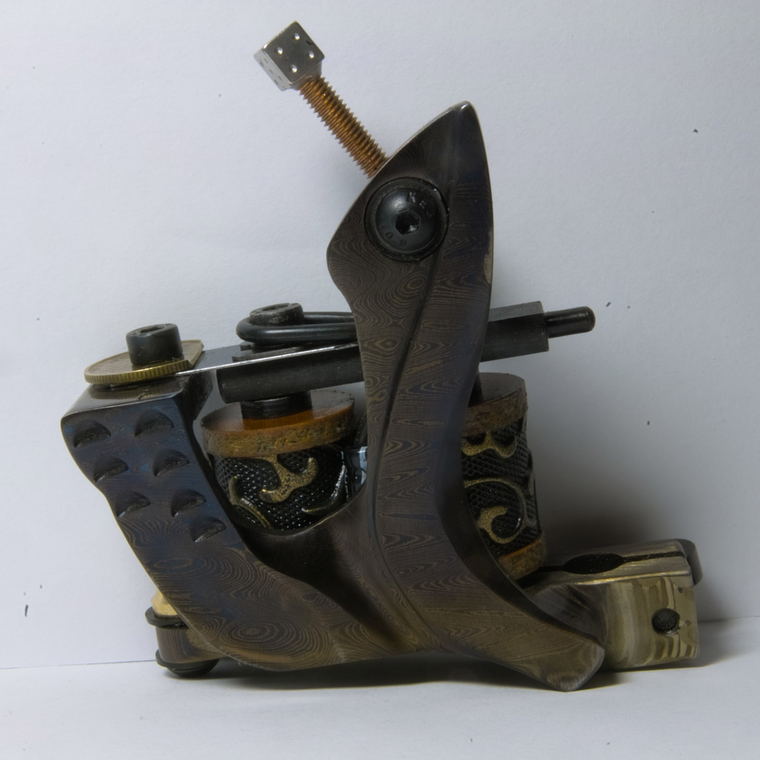
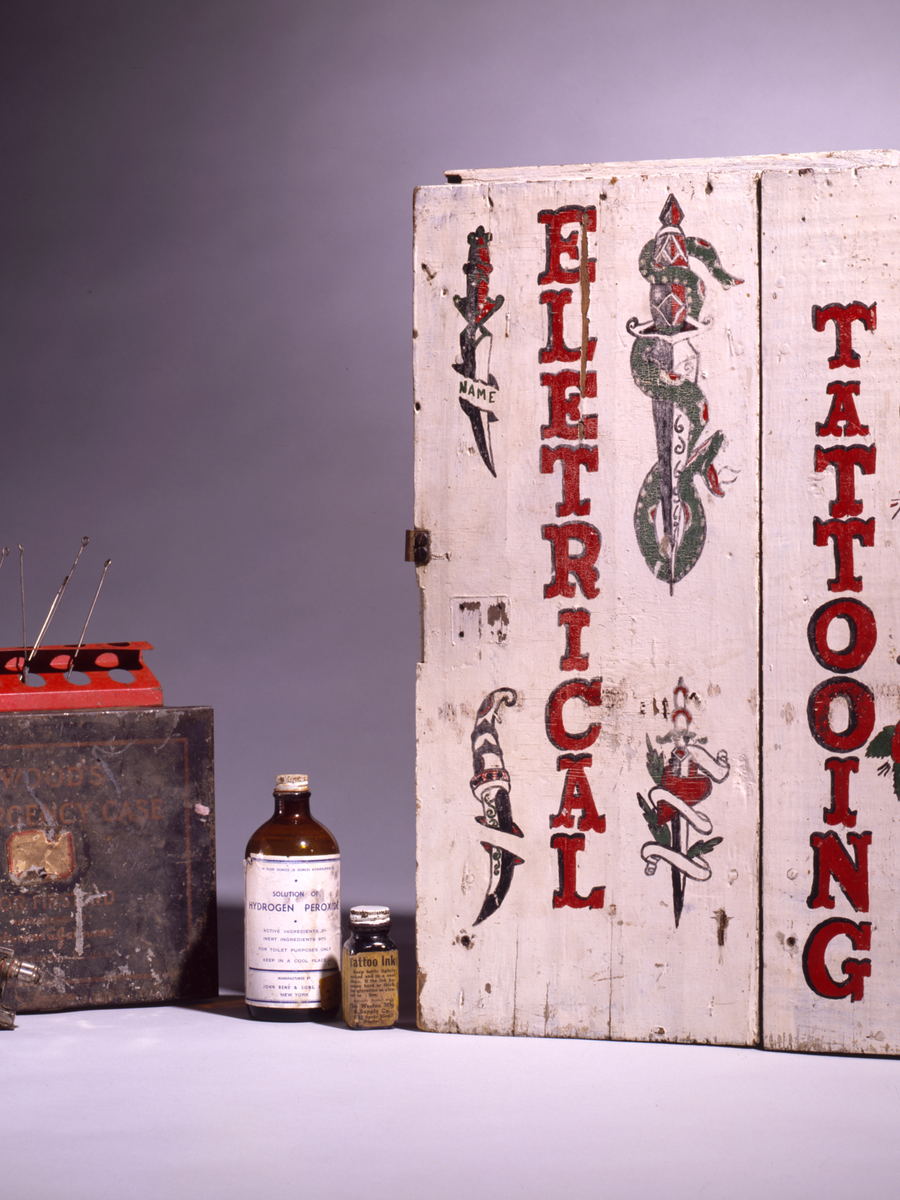
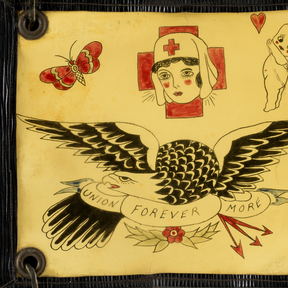
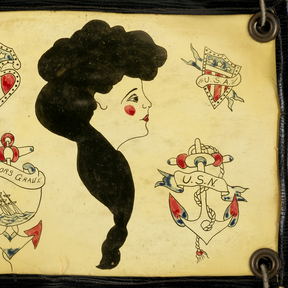
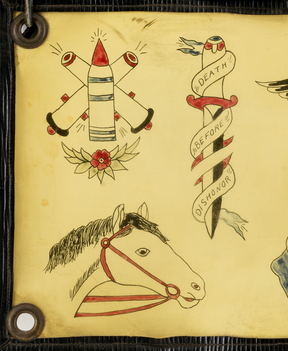
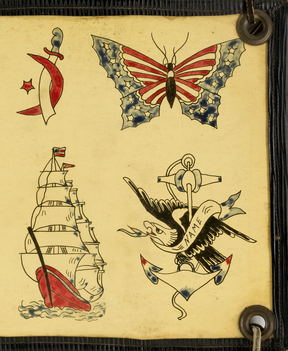
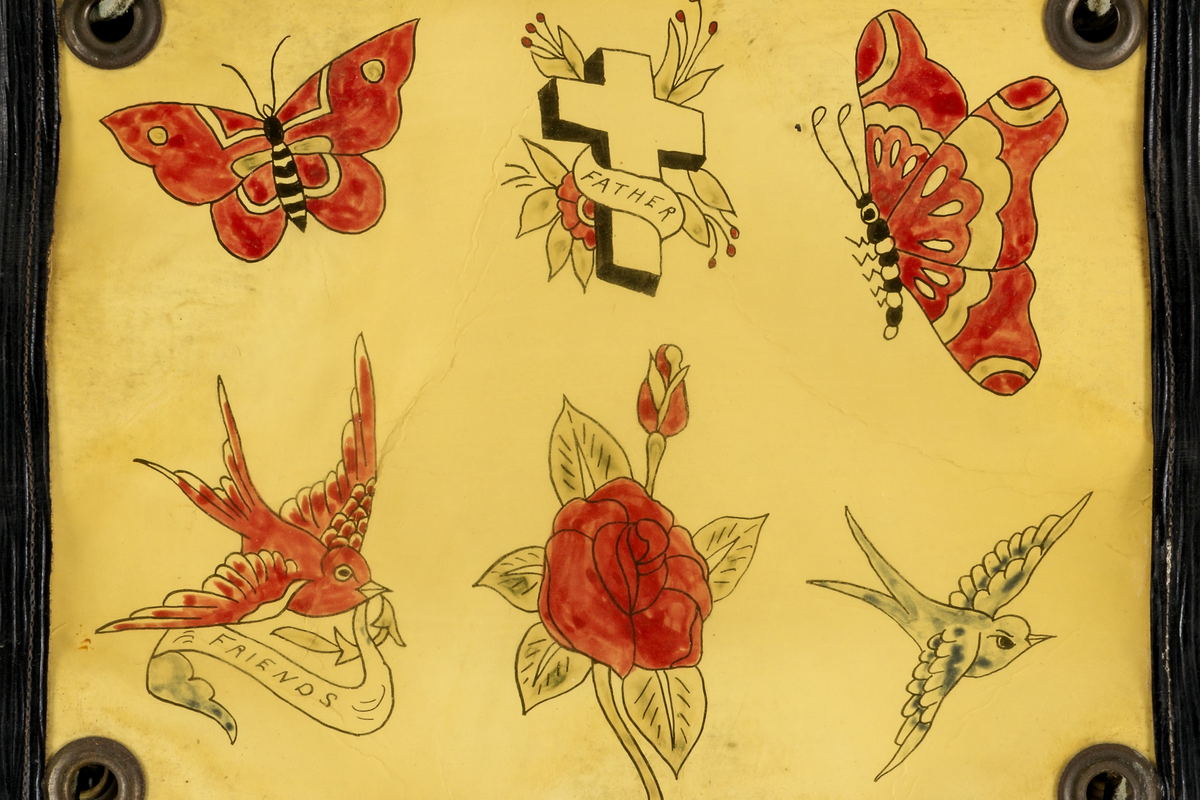
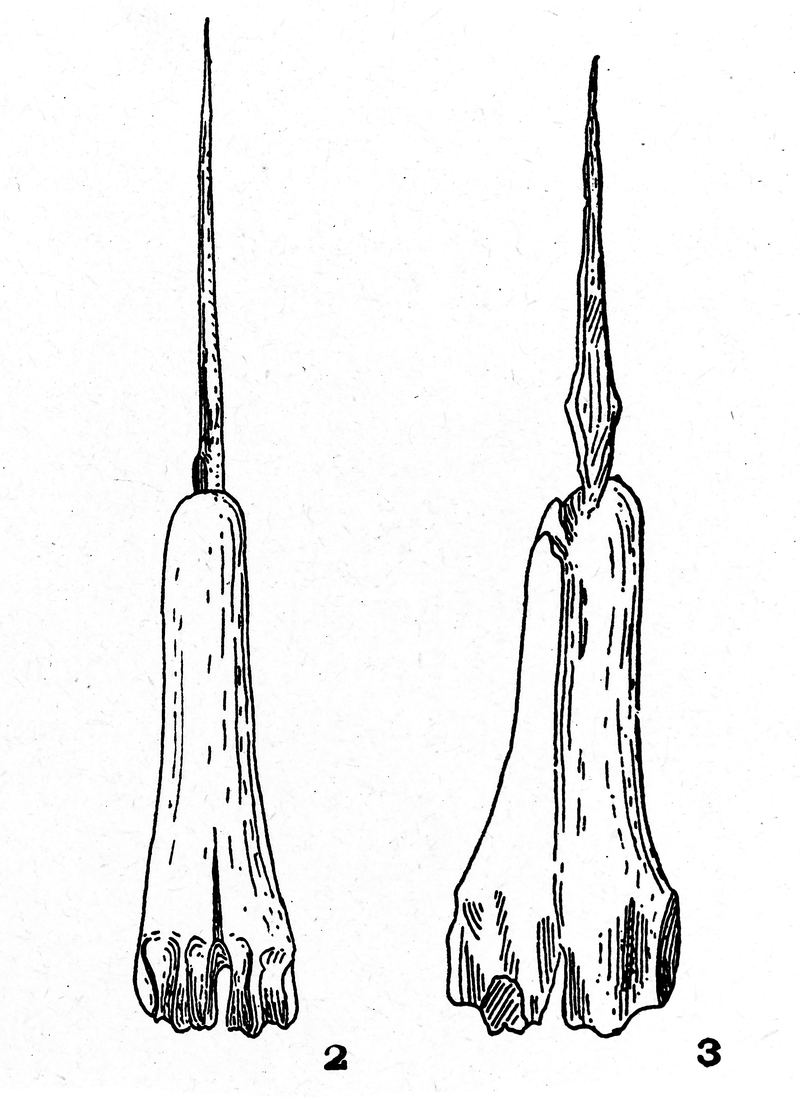
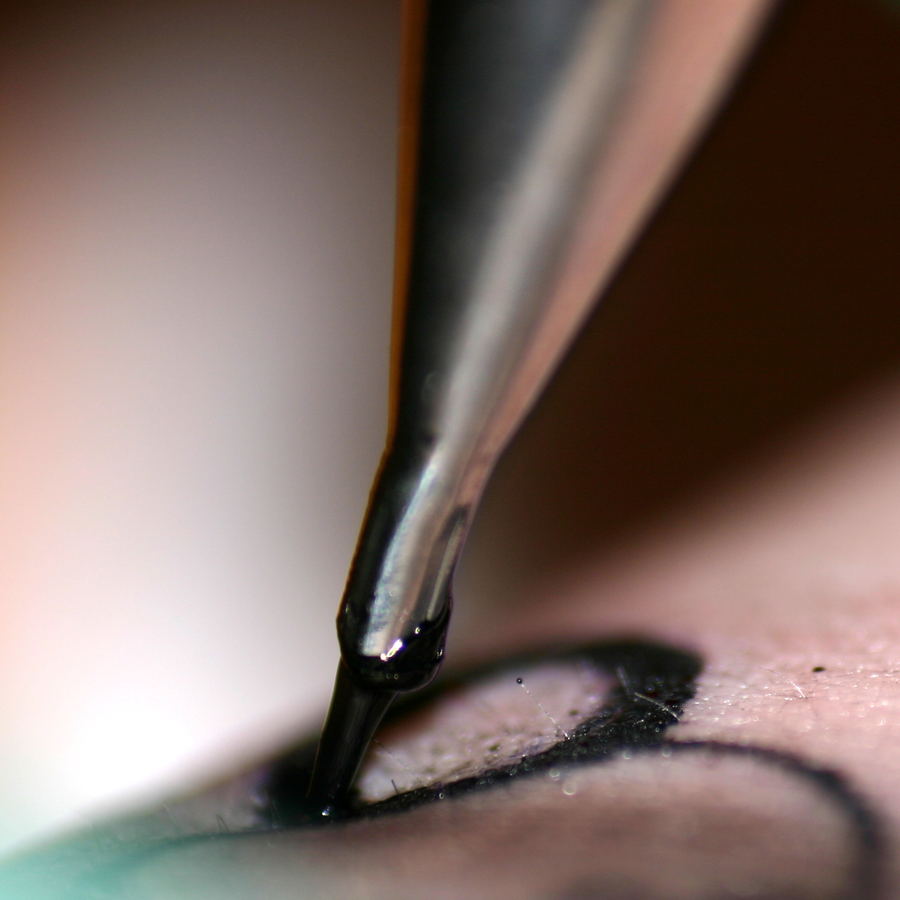
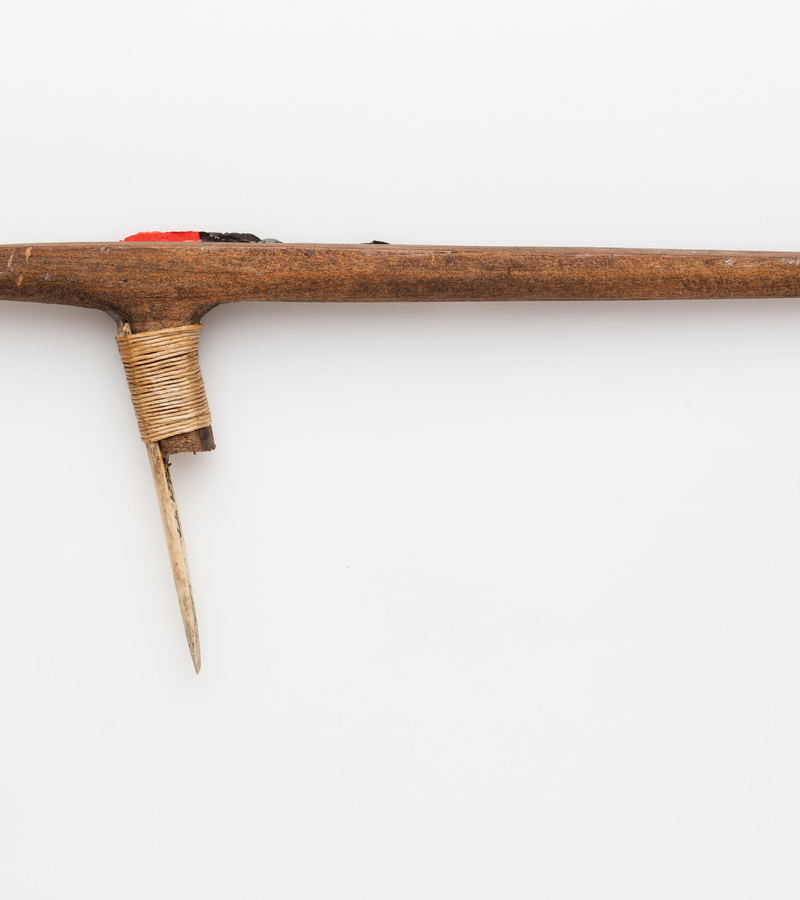
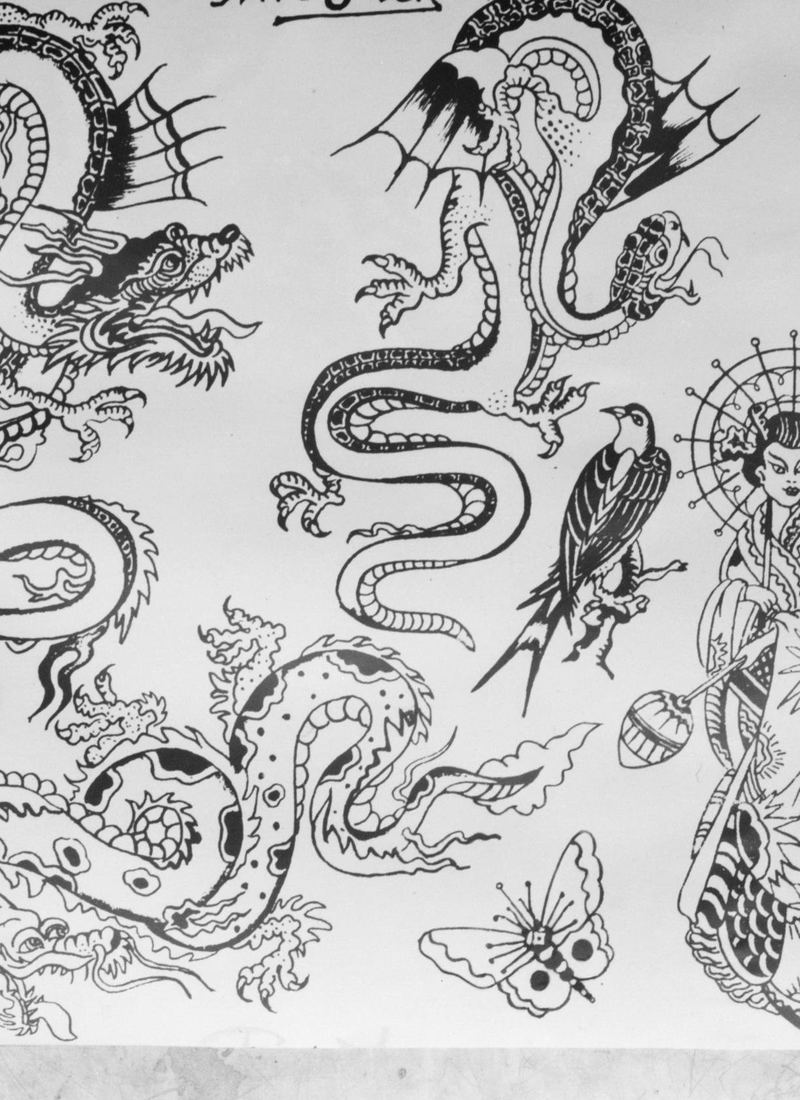
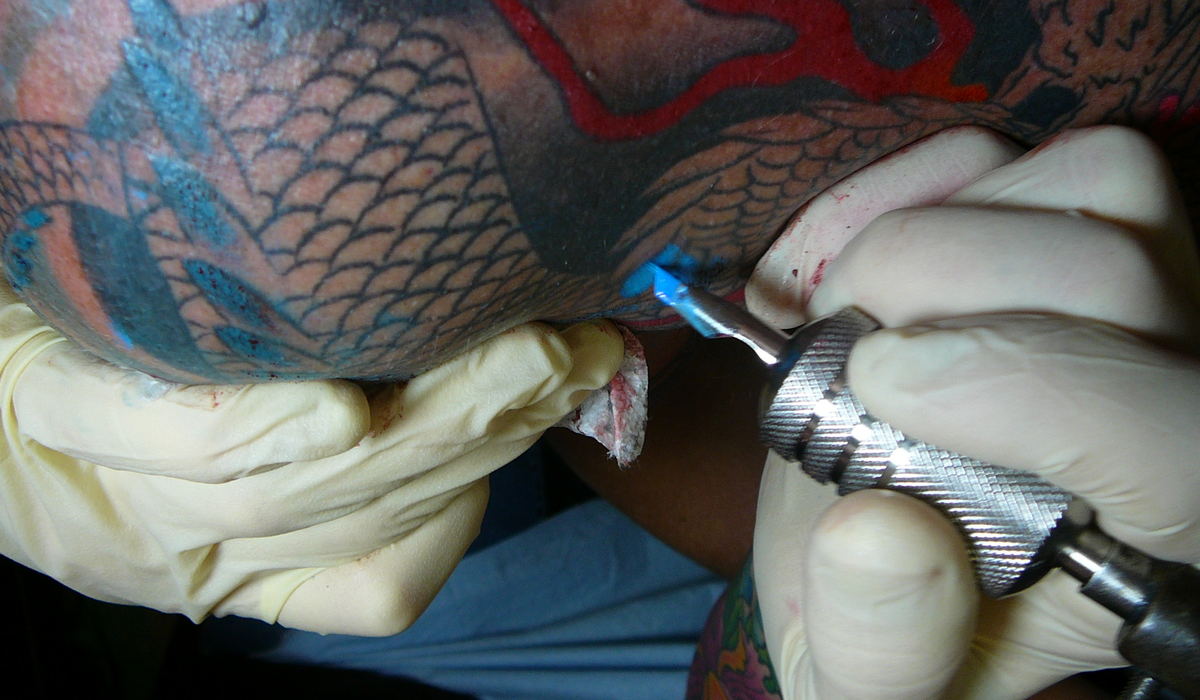
Flash sheets, needles, lines being laid and hands at work: pictures of the craft Ironline Tattoo Studio practises, from a 1930s flash sheet to a machine on a back piece.
Said afterwards
From the visitor book
“The stencil went on three times before anybody was happy with it. That took an hour and it was the right hour to spend, because the shape follows my shoulder now instead of sitting across it. The break in the middle of the block was in the diary from the start rather than asked for halfway through.”
“Price on the sheet was the price I paid. The touch-up was booked before I left, six weeks out, and nothing appeared at the counter that had not already been said at the chair. The design was one of theirs and it went on at the size it was drawn for, which is apparently the whole reason it could be priced in advance.”
Asked often
Before writing to the studio
The questions Ironline Tattoo Studio is asked most often before a first sitting.
Which service should be chosen?
Size, placement and whether the design is drawn or chosen decide it. A design lifted from the studio's flash sheets is the flash piece; custom work is booked as a half-day or a full-day sitting; anything going over existing work is the cover and rework. Describing the idea in a message gets a straight recommendation back.
Are the listed prices final?
The listed price is what the counter charges for that service. Prices marked “from” move only when the work described in the enquiry is longer than the standard appointment, and the difference is quoted before anything begins.
Does this website book an appointment?
No. The Book action opens the contact page, and the contact form sends a message an artist reads during opening hours. Neither one holds a chair until the studio replies and confirms a time.
Can a particular artist be requested?
Yes. Naming the artist in the message is enough. If that artist is not working the day being asked about, the reply says so and offers the days they are.
Visit or write
Anvil Street, Portland, Maine
Ironline Tattoo Studio works one chair at a time, so an agreed time is the only way to be sure of an artist. A message or an email is read during opening hours and answered in the order it arrives, and a chair is held once the studio has replied and the day and the hour are agreed.
Opening hours
- Monday
- Closed
- Tuesday
- 12:00 PM – 8:00 PM
- Wednesday
- 12:00 PM – 8:00 PM
- Thursday
- 12:00 PM – 8:00 PM
- Friday
- 12:00 PM – 8:00 PM
- Saturday
- 11:00 AM – 6:00 PM
- Sunday
- Closed
The column
A short note when the studio changes something
Holiday hours, an artist joining or leaving, a price that moves. Two or three notes a year and nothing else.