Hem & HarborAlterations Book a fitting
Menu

Portland, Maine

A garment measured, marked and altered on the bench

Hem & Harbor Alterations takes in trousers, jackets and dresses, agrees the result in the fitting room first, and returns the garment altered to that.

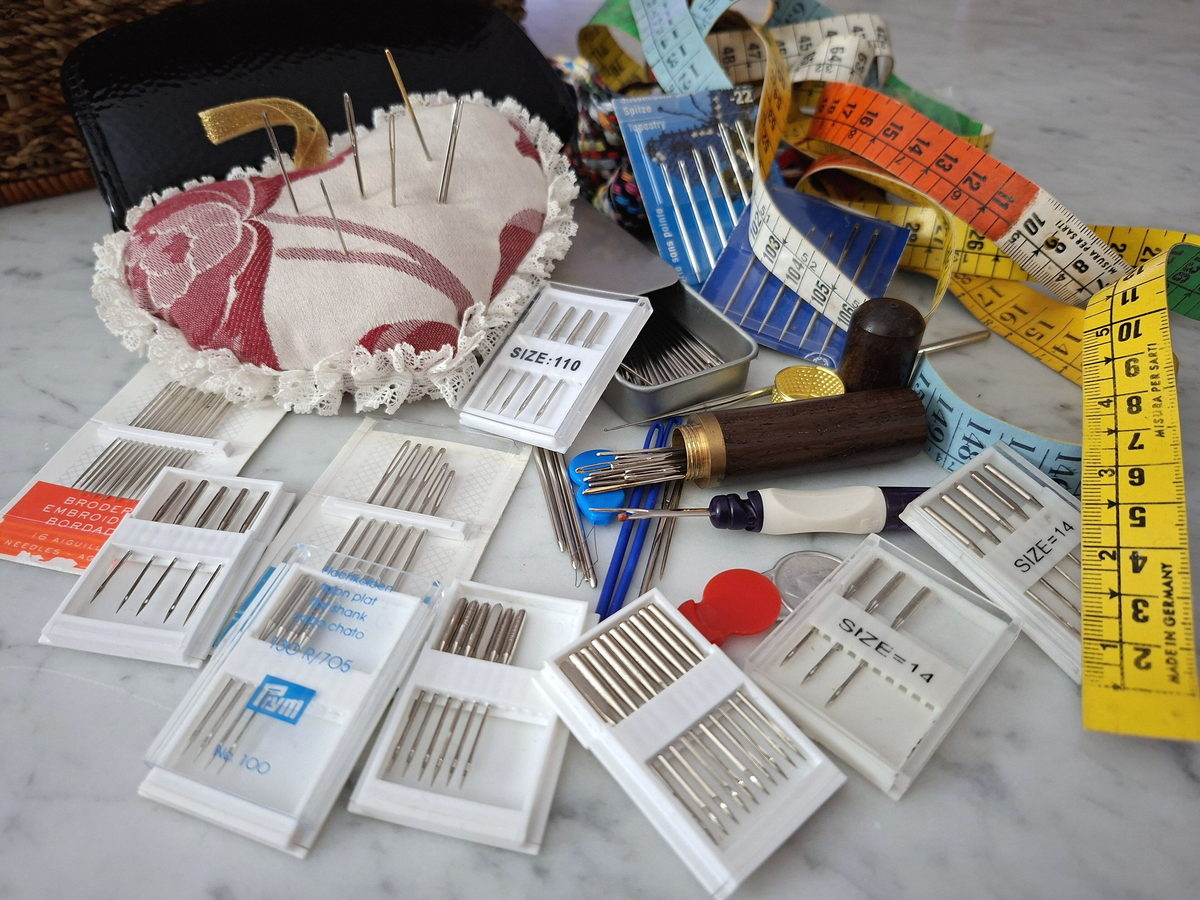
Hand sewing needles, a coiled tape measure and a pincushion laid out on a pale marble workbench, photographed from directly above.
The bench before a fitting: needles, tape, pins.
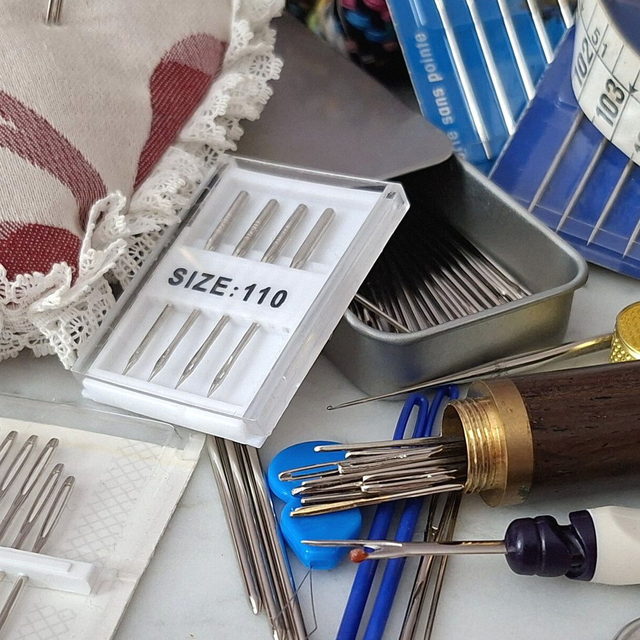
A closer crop of the same workbench: the eyes of three hand sewing needles beside the end of the tape measure. Enlarge the detail

Three of the six

Each service names what it covers and what it starts at. Nothing is quoted as a single flat figure when the work varies with the garment.

  • Trouser hem

    Length taken up or let down, with the original finish kept where the cloth allows.

    from $24

    Trouser hem details
  • Jacket fitting

    Sleeves, body and shoulder line brought to the wearer across a full fitting.

    from $65

    Jacket fitting details
  • Dress alteration

    Bodice, waist, straps and hem, worked in the order the garment allows.

    from $72

    Dress alteration details

All 6 services and prices

How the workshop works

An alteration is agreed before it is made. The garment is pinned and marked on the customer, the result is described back in plain terms, and the price is confirmed at that point rather than after the work. Where a garment cannot take the change asked for, Hem & Harbor Alterations says so in the fitting room.

A fitting, in four steps

Every alteration follows the same order, from the first message to the moment the garment is collected. Nothing is cut before the price is agreed.

  1. 01

    Describe the garment

    A message naming the garment, the change wanted and any date it is needed by. A photograph of the intended result helps, though it guides the fitting rather than setting it.

  2. 02

    Pin and mark on the body

    The garment is worn with the shoes and layers it will be worn with, then pinned and chalked in place. Hem length and waist position are measured here, not from a size chart.

  3. 03

    Agree the work and the price

    The result is described back in plain terms and the price is confirmed before any seam is opened. Where the cloth will not take the change asked for, the bench says so at this point.

  4. 04

    Sew, press and collect

    The alteration is made, pressed and checked against the marks. The garment is tried on again at collection so anything that has moved can be corrected while it is still on the bench.

On the bench

Photographs of the tools and materials an alteration is made with — the bench, the machines, the pins and the cloth that pass through the fitting room on an ordinary working day.

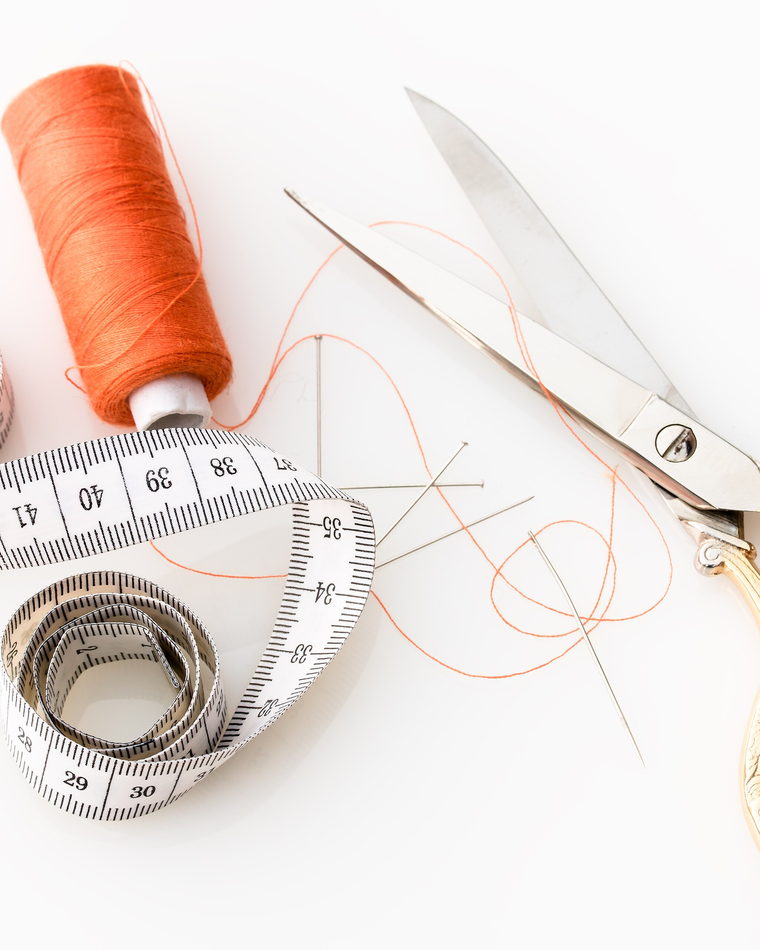
  • Dressmaking scissors, a tape measure and reels of thread arranged on a dark surface.
    Shears, tape and thread — the three things every job starts with.
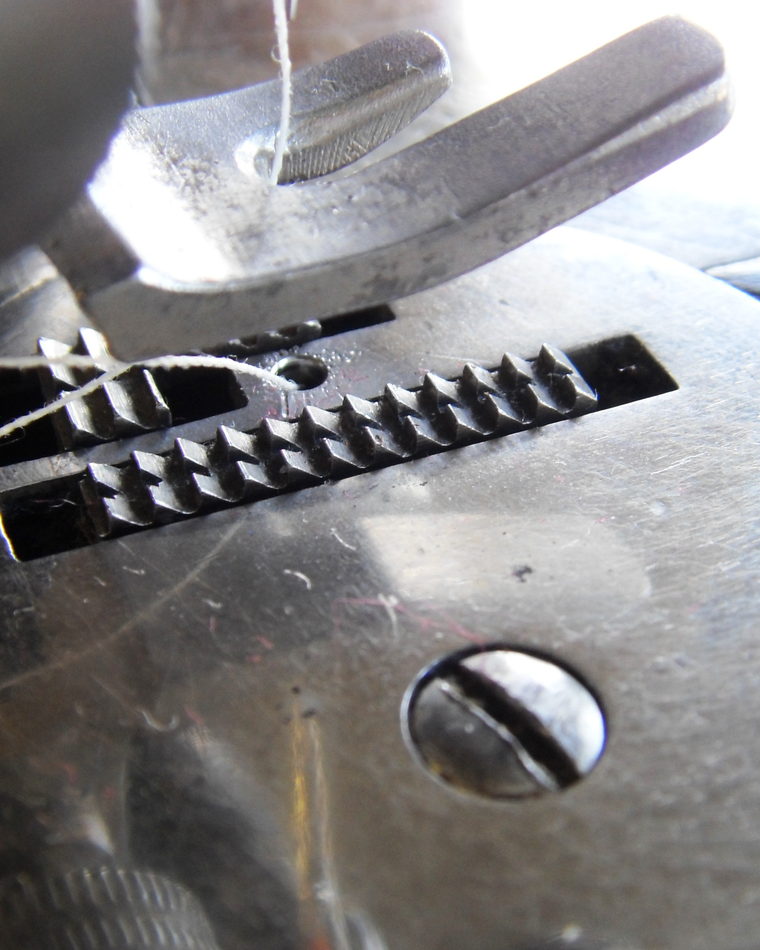
  • Extreme close view of the feed dogs and presser foot of a sewing machine.
    Feed dogs on a straight-stitch machine, magnified.
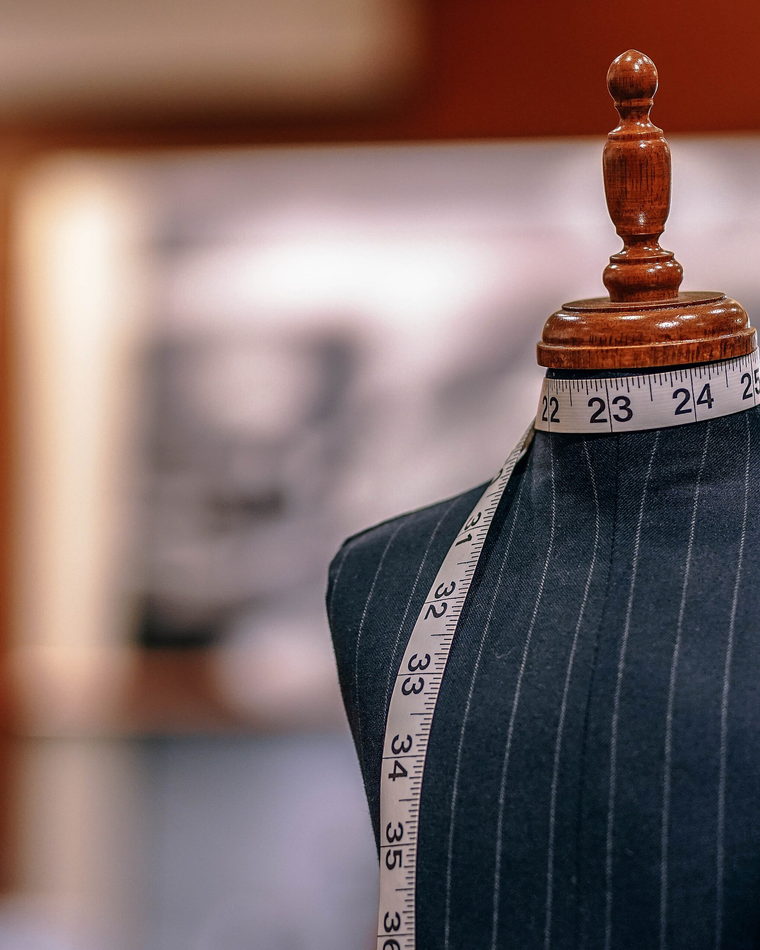
  • A dressmaker's mannequin with a yellow tape measure hanging over one shoulder.
    The stand holds the shape while the seam is opened.

The full gallery

Who is at the bench

Four people share the fitting room and the machines. Each one takes a different part of the work, and each card says which services that person handles.

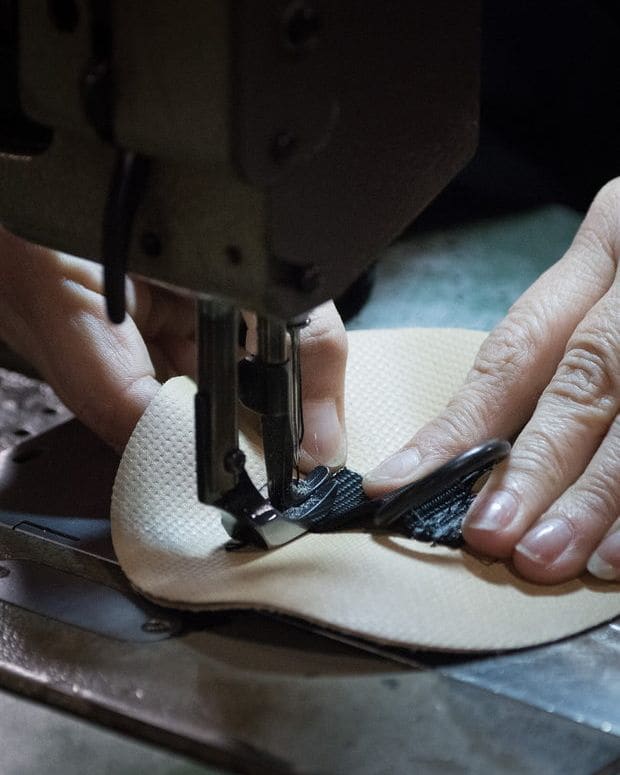
  • A person's hands guiding cloth beneath a sewing machine needle, photographed from the side. No face is visible.

    Fitting lead

    Lead tailor and fitting specialist

    Leads structured fittings for jackets, dresses and formalwear, translating fit concerns into measured changes before any seam is opened. The role explains what can be altered cleanly, what may change the garment balance and when a second fitting is sensible.
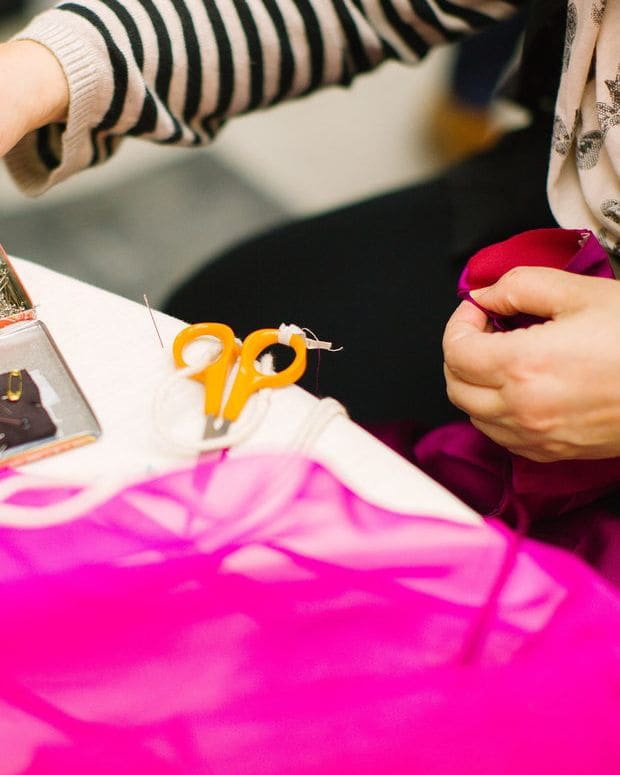
  • Hands holding folded fabric at a workbench, cropped below the shoulders so no face is visible.

    Alterations bench

    Senior alterations specialist

    Concentrates on hems, waist adjustments, sleeve work and repairs that must disappear into the original construction. Each garment is assessed for seam allowance, fabric behavior and finishing method before a price or timing expectation is confirmed.

Everyone at Hem & Harbor Alterations

What customers have said

  • The fitter pinned them over the shoes I actually wear with them, which mattered more than I expected.

    Priya C.

  • The price was written down at the fitting and did not move, and the alteration is invisible unless you know where to look.

    Marcus R.

  • The prices published on this website matched what I was quoted in the room, which is not something I can say about every trade.

    Delia E.

All 6 reviews

Asked often

How should a visitor choose a service?

Start with the service descriptions and prices. Contact the business when two options appear equally suitable.

Are the displayed prices final?

Published prices apply to the stated scope. Any “from” or custom price requires a confirmed estimate before work begins.

What should a first-time visitor prepare?

Bring useful references and explain the intended result, constraints and timing. References guide the conversation but are not copied automatically.

Can a visitor request a specific staff member?

Yes. Use the contact form to name a preferred staff member; availability is confirmed separately.

All 8 questions

Ask about a garment

A description of the garment and the result wanted is enough to start. The workshop replies with the times a fitting can be held.

  • Wool suiting
  • Linen and cotton
  • Silk lining
This is a demo design, not a real business.Have it rebranded as yours for $500 from EZWebee.