In the ground
Eight photographs of planting, stonework and paths, licensed for commercial use and listed with their sources in ASSET_SOURCES.md. None is presented as work completed by this business.
-
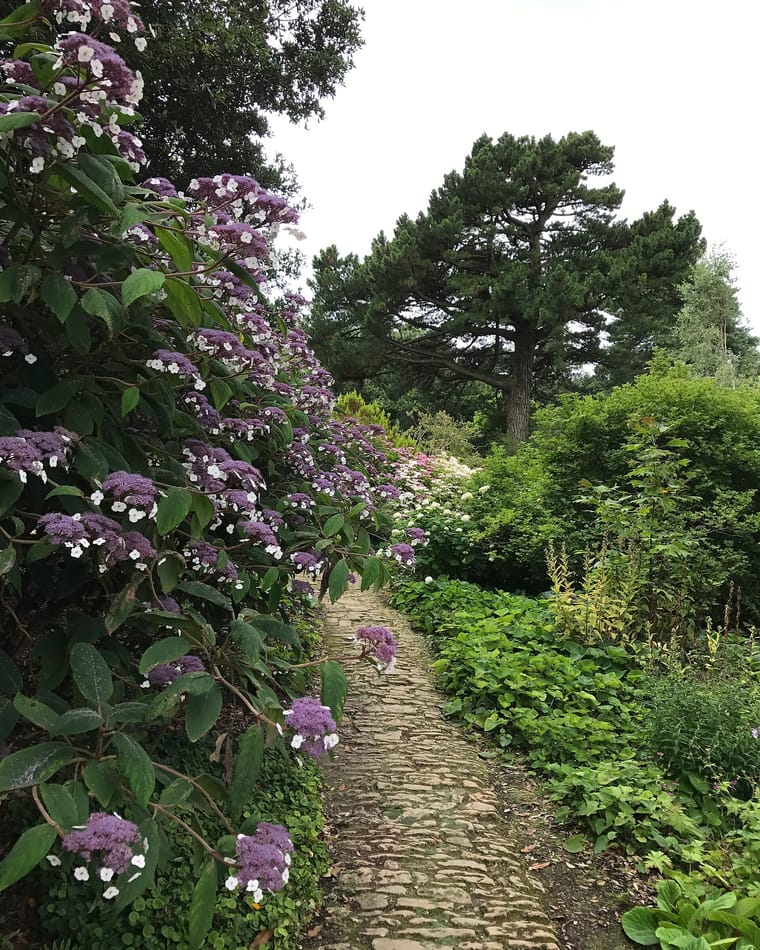
01 A cobbled path between planted borders. A path this narrow works because the planting on either side is kept back from it; a border allowed to spill across a path turns it into a route nobody uses. -
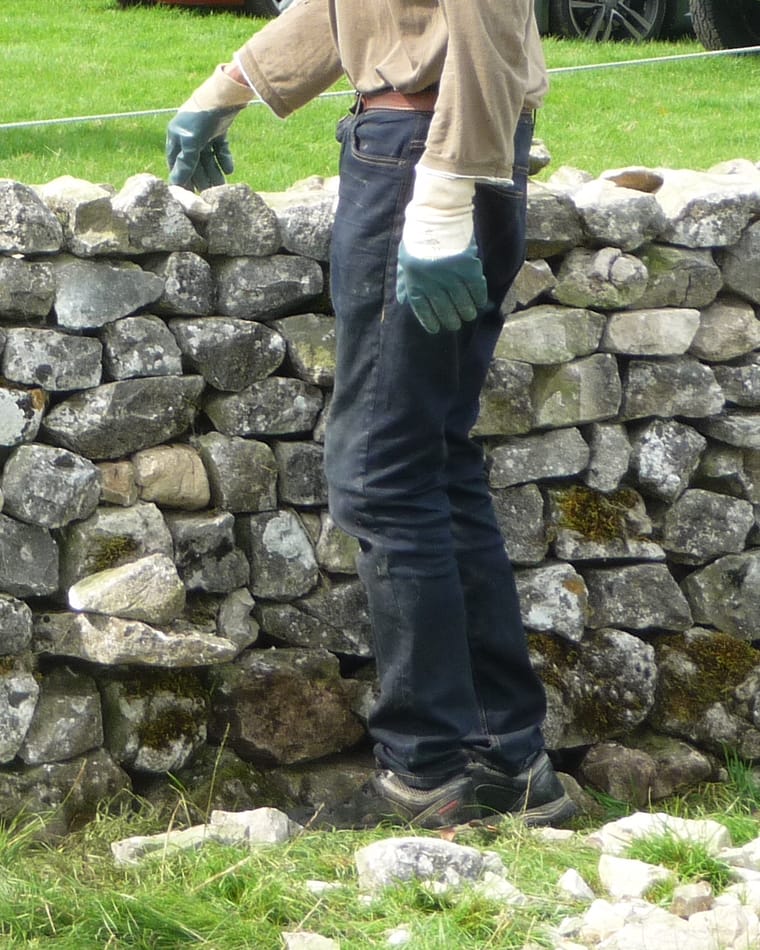
02 A dry stone wall part-way through its build. Every stone is placed to sit across two below it, and the wall leans slightly back into the slope so its own weight holds it in place without mortar. -
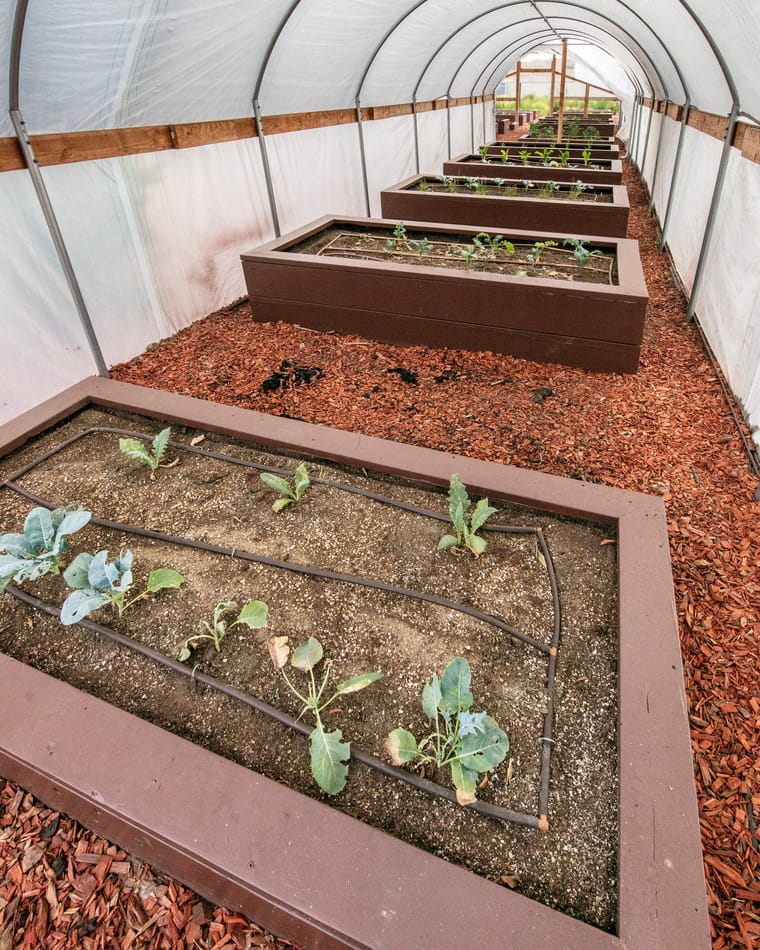
03 Raised beds in a hoop house with bark paths between them. The paths are wide enough to kneel on, because a bed that cannot be reached from both sides is never properly weeded. -
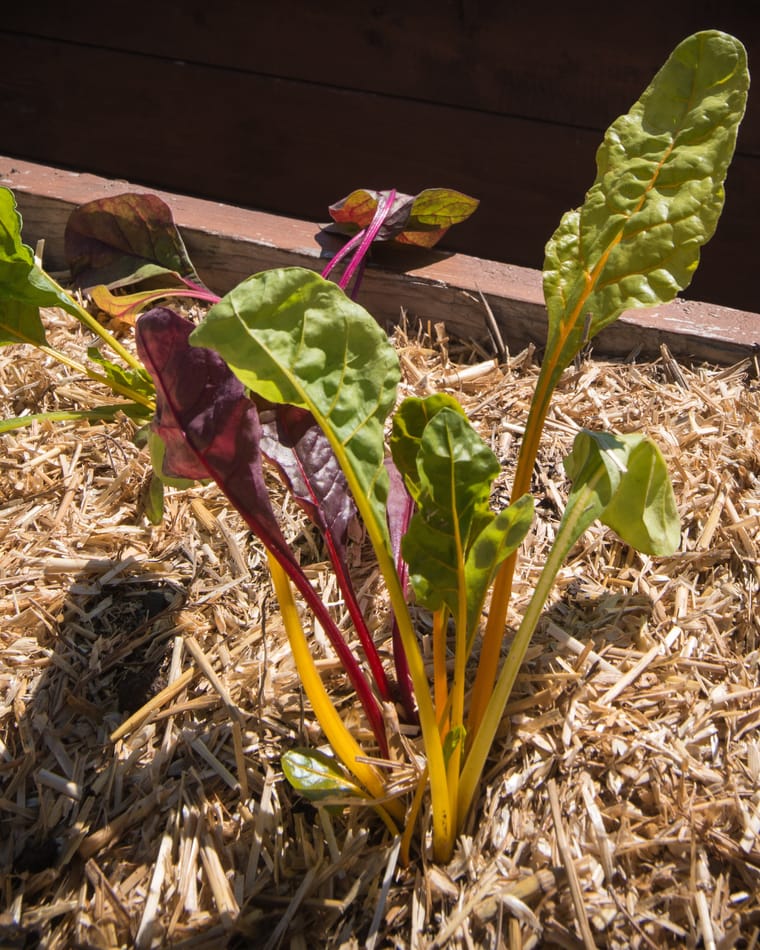
04 Chard growing up through straw mulch. A mulch layer keeps soil moisture even through a dry week and stops weed seed reaching the light, which cuts the time a kitchen bed needs through the summer. -
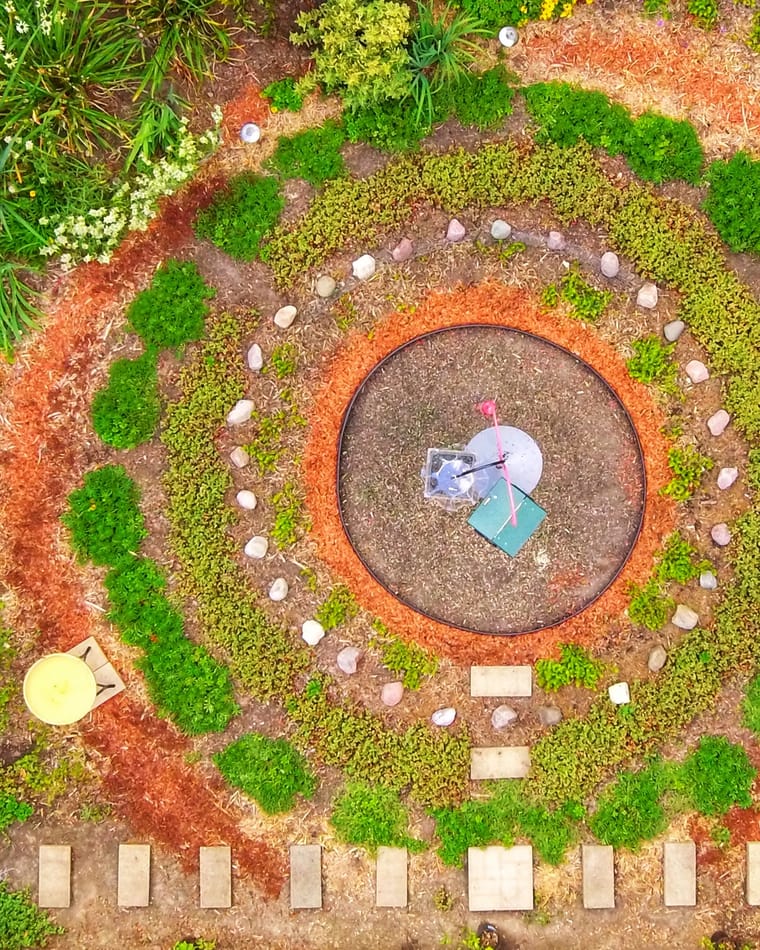
05 A circular bed laid out and planted, seen from above. The rings are marked on the ground with a stake and string before any plant goes in, so the spacing is set by the plan rather than by eye. -
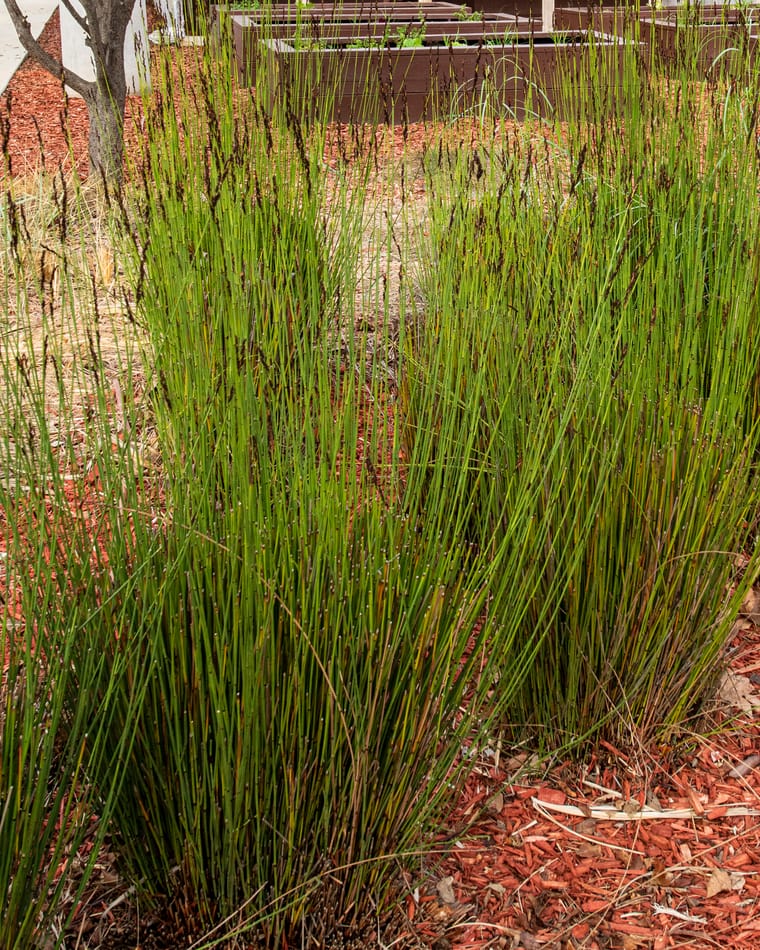
06 Ornamental grass in bark mulch. Grasses like this are cut down once a year at the end of winter and left standing until then, so their stems carry some shape in the garden through the snow. -
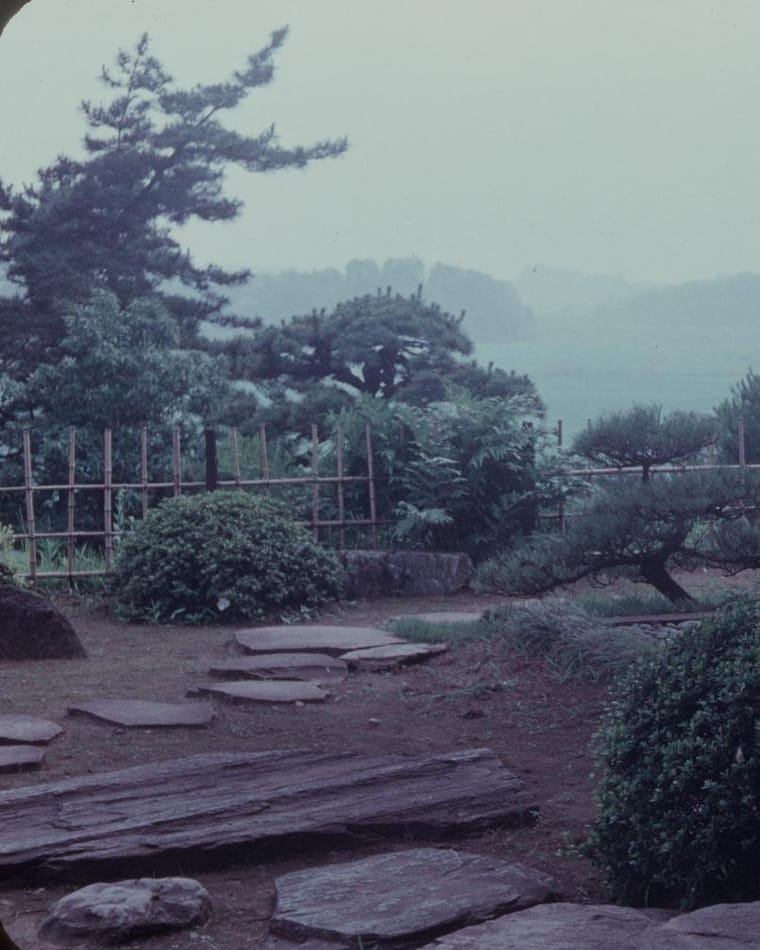
07 Flat stones set into gravel. Each stepping stone is bedded so it does not rock underfoot, and spaced to an ordinary stride rather than to the pattern it makes when seen from above. -
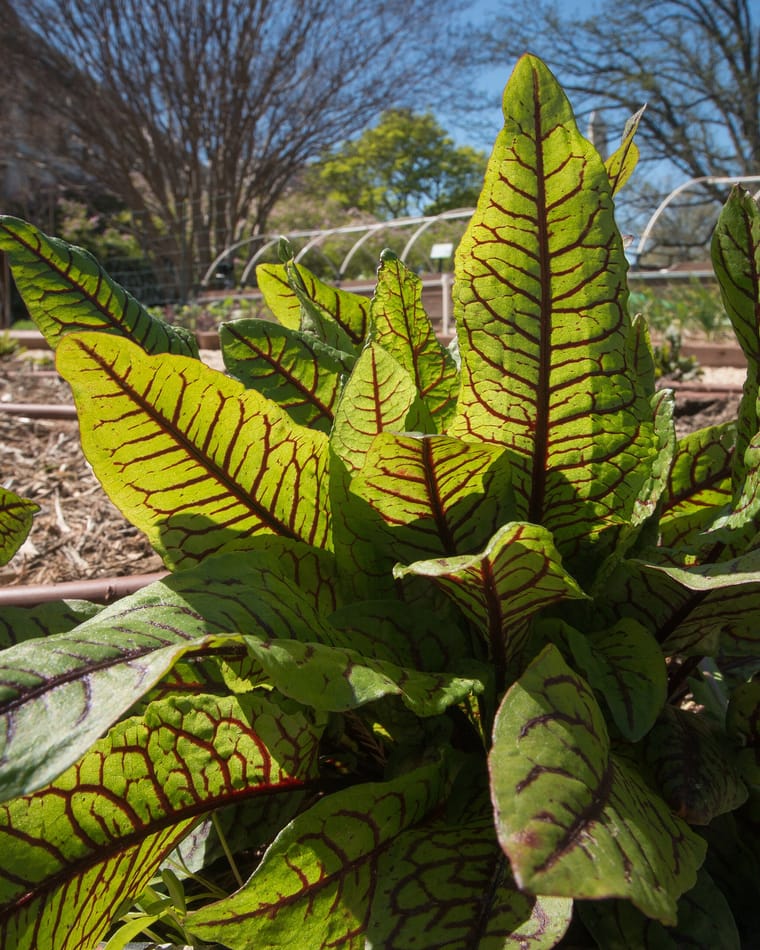
08 Red-veined sorrel in a kitchen bed. Edible plants with strong leaf colour earn a place at the front of a border as easily as flowers do, and they are picked rather than pruned.
Prepared, on site, finished
The three stages a garden job passes through, shown with three of the same licensed photographs used above. They illustrate the stages of the work. None of them is a photograph of a garden built by this business.
-
Prepared
The ground is read first. The area is measured, beds and paths are marked out, and the soil is prepared before anything is planted rather than after.
-
On site
The work is built to the marks. Stone is laid course by course, beds are dug and filled, and each part is checked against the line before the next goes on.
-
Finished
The site is raked, cleared and walked with the owner, so anything that needs adjusting can be corrected while the crew and the tools are still there.
Ask about a garden
A description of the site and the result wanted is enough to start. The crew replies with the days a site visit can be made.